Comprehensive Review of the 2022 FIFA World Cup Host: Qatar's Legacy and Impact

Qatar served as the official host for the 2022 FIFA World Cup, marking the first time the tournament was held in the Arab world and the Middle East. The event, held from November 20 to December 18, 2022, featured 32 teams competing across eight state-of-the-art stadiums concentrated within a 55-kilometer radius of Doha.
The 2022 FIFA World Cup was a landmark event in sporting history, not only for its geographic location but for the fundamental shifts it required in the international football calendar. As we look back from the vantage point of 2026, the Qatari tournament remains a subject of intense study regarding sports diplomacy, infrastructure development, and the long-term sustainability of "mega-events." This article explores the hosting journey, from the controversial 2010 bid selection to the lasting legacy of the tournament’s infrastructure.
The Selection Process: How Qatar Secured the 2022 Hosting Rights
The journey to the 2022 World Cup began on December 2, 2010, when the FIFA Executive Committee met in Zurich to announce the hosts for both the 2018 and 2022 tournaments. Qatar’s bid faced significant competition from established sporting nations, including the United States, South Korea, Japan, and Australia.
Qatar's successful bid was centered on a "Compact World Cup" concept, promising that fans could attend multiple matches in a single day due to the short distances between venues. This was a radical departure from the massive geographic spreads of previous hosts like Brazil (2014) or Russia (2018). The bid committee also emphasized the tournament as a bridge between the Arab world and the West, utilizing the "Power of Football" to foster cultural understanding.
The selection was not without significant scrutiny. Following the announcement, various investigations were launched into the bidding process. While FIFA’s own Garcia Report eventually cleared the bid of many of the most severe allegations of corruption, the process led to structural changes within FIFA’s voting mechanisms, ensuring that future hosts (such as the 2026 United States, Mexico, and Canada trio) would be selected by the entire FIFA Congress rather than just the Executive Committee.
A Winter World Cup: Navigating Climatic and Scheduling Challenges
One of the most consequential decisions in the history of the tournament was the move from the traditional June/July slot to a November/December timeframe. This change was necessitated by Qatar's extreme summer temperatures, which frequently exceed 45°C (113°F), posing severe health risks to players and spectators alike.
The shift to a winter schedule caused a massive ripple effect throughout the global football ecosystem:
- European League Disruptions: Major leagues, including the English Premier League, La Liga, and the Bundesliga, were forced to implement a mid-season break of approximately six weeks.
- Player Conditioning: Concerns were raised about player fatigue and injury risks, as the tournament took place during the peak of the domestic season rather than after it.
- Climatization Technology: Despite the move to winter, where temperatures were a manageable 20°C to 30°C, Qatar equipped seven of its eight stadiums with advanced solar-powered cooling technology to ensure a consistent 21°C environment on the pitch and in the stands.
This cooling technology, developed by researchers at Qatar University, utilized "spot cooling" and recycled air systems, setting a new technical benchmark for stadiums in arid climates.

Infrastructure and Venue Analysis: The Eight Stadiums
Qatar invested an estimated $200 billion into infrastructure projects leading up to the tournament, though only a fraction of that was spent directly on the eight stadiums. The majority of the funds were directed toward the Doha Metro, the expansion of Hamad International Airport, and the construction of Lusail City—a "smart city" designed to house 200,000 residents.
The following table provides a breakdown of the venues that hosted the 2022 tournament:
| Stadium Name | Capacity | Design Inspiration | Primary Use Post-2022 |
|---|---|---|---|
| Lusail Iconic Stadium | 80,000 | Fanar lanterns and bowls | Community hub with shops and schools |
| Al Bayt Stadium | 60,000 | Bedouin tents (Bayt al-sha'ar) | Downsized to 32,000; boutique hotel |
| Stadium 974 | 40,000 | Shipping containers | Fully dismantled for site redevelopment |
| Khalifa International | 45,000 | Modern classic (existing) | National Stadium of Qatar |
| Education City Stadium | 40,000 | Diamond in the desert | University sports and local clubs |
| Al Thumama Stadium | 40,000 | Gahfiya (traditional cap) | Downsized to 20,000; sports clinic |
| Ahmad bin Ali Stadium | 40,000 | Sand dunes and desert motifs | Home of Al-Rayyan SC |
| Al Janoub Stadium | 40,000 | Dhow boat sails | Home of Al-Wakrah SC |
Innovation in Sustainability: Stadium 974
A standout feature of the 2022 hosting plan was Stadium 974, constructed entirely from recycled shipping containers and modular steel. The name refers to Qatar’s international dialing code and the exact number of containers used. As the first fully demountable stadium in World Cup history, it addressed the long-standing criticism of "white elephant" stadiums—expensive venues that fall into disuse after the tournament ends.
Socio-Economic Impacts and the Qatar National Vision 2030
The hosting of the World Cup was a central pillar of the Qatar National Vision 2030, a government roadmap aimed at diversifying the economy away from a reliance on liquefied natural gas (LNG). By positioning itself as a global sports hub, Qatar sought to increase tourism and international investment.
Labor Rights and Reforms
The hosting of the 2022 FIFA World Cup brought unprecedented international attention to labor conditions in the Gulf. Following intense pressure from human rights organizations and the International Labour Organization (ILO), Qatar introduced several landmark reforms:
- Abolition of the Kafala System: Workers were theoretically given the right to change jobs without their employer's permission.
- Minimum Wage Implementation: Qatar became the first country in the region to introduce a non-discriminatory minimum wage.
- Heat Protection Laws: New regulations were established to prohibit outdoor work during the hottest hours of the day during summer months.
While critics argued that implementation remained inconsistent, the legal framework established during the World Cup preparations created a precedent for labor rights in the region that continues to be monitored in 2026.
The Sporting Legacy: From Messi’s Triumph to 2026
From a purely sporting perspective, the 2022 host provided one of the most dramatic tournaments in history. The final match at Lusail Stadium, where Argentina defeated France on penalties, is widely regarded as the greatest World Cup final ever played. This victory cemented Lionel Messi’s legacy as one of the sport's all-time greats.
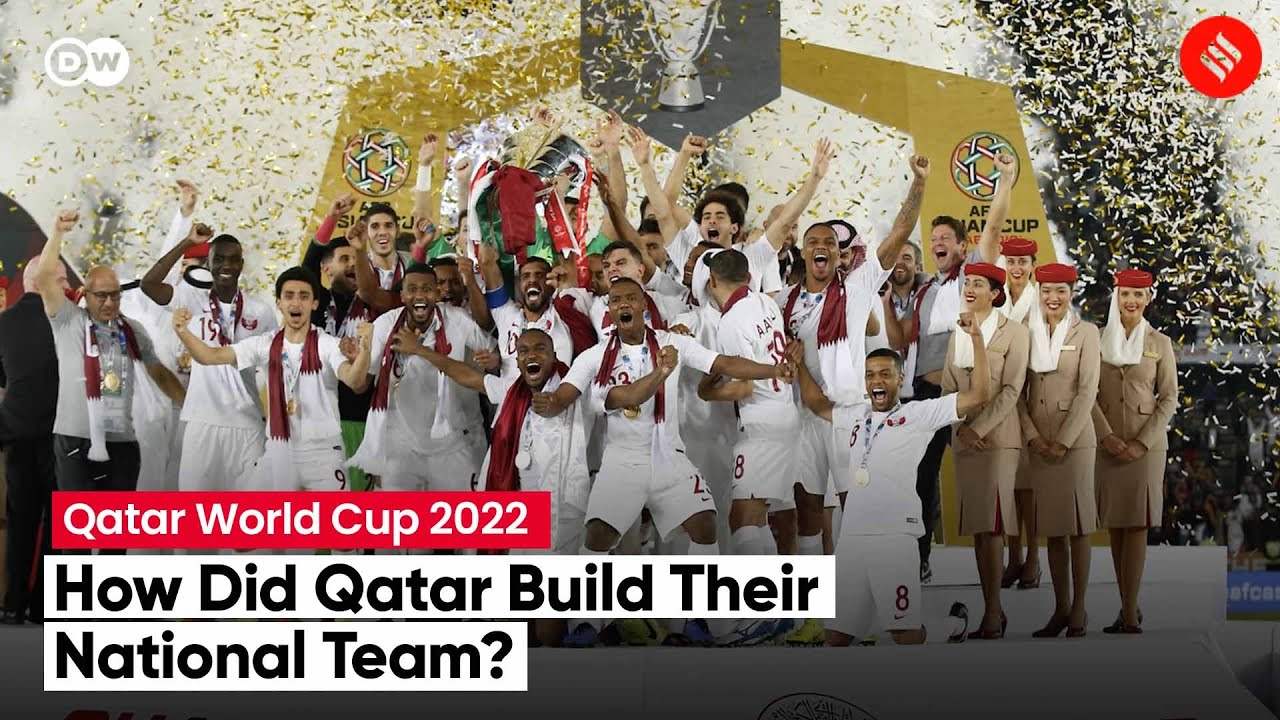
However, the legacy for the host nation itself was also significant. The Qatari national team, despite an early exit in the group stage, benefited from years of intensive training at the Aspire Academy. The experience gained from hosting led to Qatar successfully defending their AFC Asian Cup title in early 2024, proving that the investment in football infrastructure yielded tangible results on the pitch.
As the football world transitions to the 2026 World Cup—which features an expanded 48-team format—the "Compact World Cup" of 2022 stands in stark contrast. The 2026 tournament requires travel across three countries (USA, Canada, and Mexico), highlighting the unique logistical ease that Qatar’s small geography provided for fans and teams alike.
Logistics for Fans: The Hayya Card and Travel Experience
The 2022 host implemented a digital-first approach to fan management through the Hayya Card. This mandatory identification document served multiple purposes:
- Entry Permit: It acted as a visa for international visitors.
- Stadium Access: It was required alongside a valid match ticket.
- Free Transportation: It provided fans with free access to the Doha Metro and bus networks.
The transportation system was a highlight of the hosting experience. The Doha Metro, which began operations in 2019, connected five of the eight stadiums directly, while the remaining venues were served by shuttle buses. This integration allowed for a seamless fan experience, though it required strict crowd control measures at major hubs like Msheireb and Al Bidda.
Common Questions Regarding the 2022 World Cup Host
Why was Qatar chosen as the host despite its small size?
Qatar’s bid was chosen due to its promise of a "compact" tournament, its high-tech infrastructure plans, and its strategic location between Europe, Africa, and Asia. FIFA also expressed a desire to bring the World Cup to the Middle East for the first time to expand the game’s global footprint.
How much did it cost Qatar to host the tournament?
While official figures vary, estimates suggest Qatar spent roughly $200 billion on the tournament and related infrastructure. This is significantly higher than the $15 billion spent by Russia in 2018 or the $11 billion spent by Brazil in 2014, largely because Qatar had to build an entire transport network and several new stadium precincts from scratch.
Is it still possible to visit the 2022 World Cup stadiums?
Yes, most of the stadiums remain in use. Venues like Al Janoub and Ahmad bin Ali are home to local Qatar Stars League teams. Lusail Stadium and Al Bayt are being repurposed into community spaces, though their iconic exteriors remain landmarks. Stadium 974 was the only venue designed to be fully removed.
What happened to the cooling technology used in the stadiums?
The cooling technology remains integrated into the stadiums and is used for local league matches and other outdoor events in Qatar. The technology has been lauded as a major engineering success and is being offered as a blueprint for other nations facing rising global temperatures.
How did the winter schedule affect the players?
While there were initial concerns about mid-season fatigue, many analysts noted that players arrived at the tournament in "peak season form" rather than the exhausted state often seen at the end of a traditional June tournament. This resulted in high-intensity matches and a high goal-scoring average throughout the knockout stages.
Practical Recommendations for Sports Historians and Travelers
For those researching the impact of the 2022 host or planning a visit to Qatar in 2026, it is recommended to visit the 3-2-1 Qatar Olympic and Sports Museum in Doha. This facility provides a comprehensive look at the 2022 World Cup's planning and execution. Additionally, for travelers interested in the legacy of the venues, the Lusail area remains the best example of the "urban legacy" left behind by the tournament, featuring the stadium alongside the newly developed commercial and residential districts.
Image Gallery
Select an image to open it in a new tab.




Stella Vane
Modern Living and Heritage Writer
