Comprehensive Guide to Employee Monitoring Systems: Balancing Productivity and Privacy
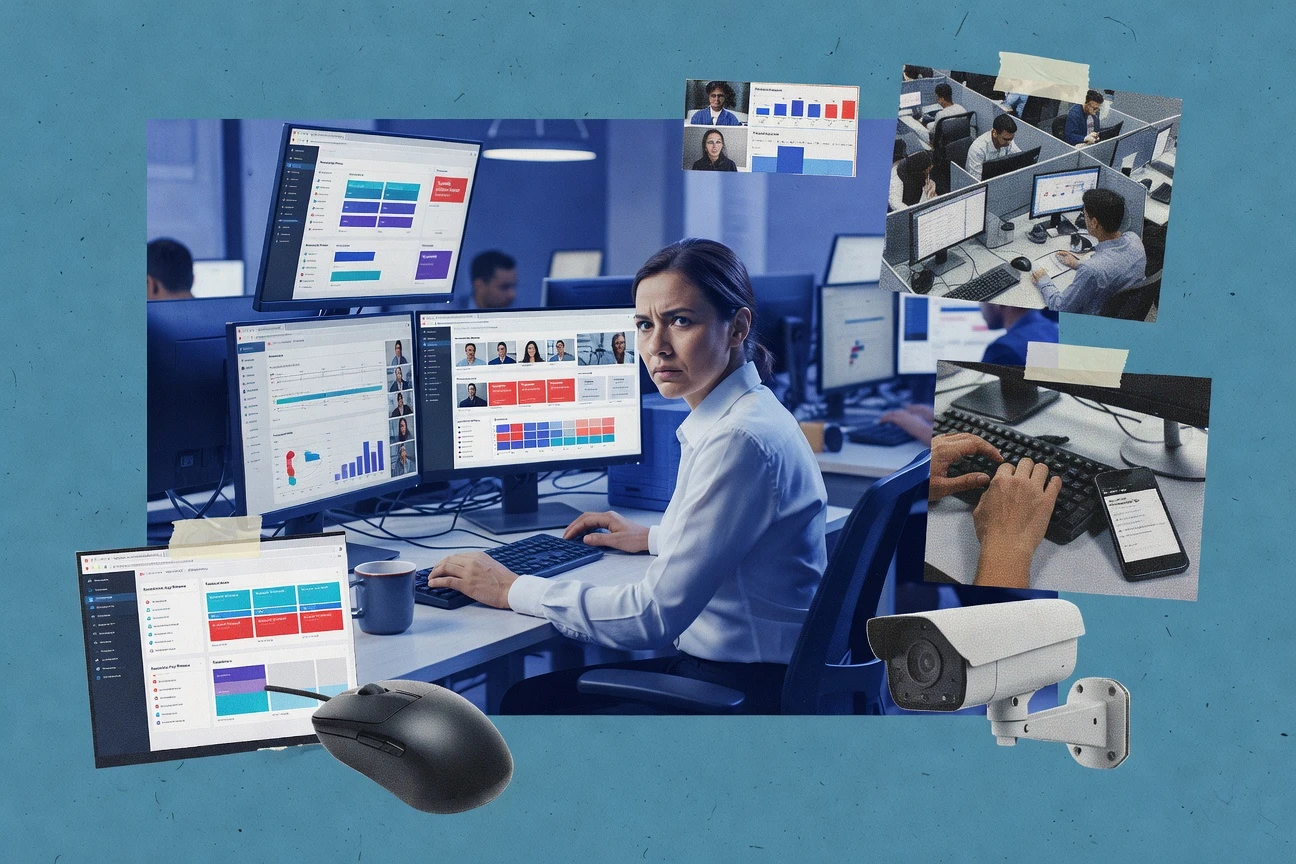
Employee monitoring systems are software tools used by organizations to track worker activity, productivity, and security compliance across digital environments. In 2026, these platforms primarily focus on data-driven insights for hybrid teams, ensuring that remote and in-office staff adhere to company policies while providing managers with actionable metrics to optimize workflows and protect sensitive intellectual property.
Understanding the Scope of Employee Monitoring in 2026
Employee monitoring systems have evolved from simple time-tracking tools into sophisticated workforce analytics platforms. As organizations navigate the complexities of permanent hybrid work models, these systems serve as the digital bridge between management and distributed teams. At their core, these systems are designed to capture data points related to how, when, and where work is performed.
The primary objective of implementing such a system is rarely just "surveillance." Instead, modern enterprises use these tools to identify bottlenecks in business processes, ensure that expensive software licenses are being utilized efficiently, and protect against insider threats. For example, if a team is consistently working ten-hour days, monitoring data can highlight the need for additional hiring or a redistribution of tasks to prevent burnout.
Core Functionalities and Technical Capabilities
Modern employee monitoring systems offer a suite of features that can be toggled based on an organization’s specific needs and legal jurisdiction. Understanding these features is essential for selecting a platform that aligns with company culture and operational goals.
Activity and Productivity Tracking
This is the most common layer of monitoring. It tracks "active" versus "idle" time by measuring keyboard and mouse movement. More advanced systems categorize applications and websites into "productive," "unproductive," or "neutral" categories. For instance, a graphic designer spending four hours in Adobe Creative Cloud is marked as productive, whereas the same time spent on a retail site might be flagged for review.
Screen Capture and Real-Time Viewing
Some platforms provide periodic screenshots (e.g., once every five or ten minutes) or live screen streaming. In 2026, many organizations have moved away from continuous live streaming in favor of "event-triggered" captures. This means the system only records the screen when a sensitive file is opened or when an employee visits a restricted URL, balancing the need for security with the employee's right to privacy.
Keystroke Logging and Data Loss Prevention (DLP)
While controversial, keystroke logging remains a feature in high-security industries like finance or defense. However, the modern implementation of this feature often uses "hashing" or masking for passwords and personal information. The goal is typically to detect "keyword triggers" that might indicate a data breach or harassment, rather than reading every private message.
Behavioral Analytics and AI Integration
The current generation of monitoring software utilizes machine learning to establish a "behavioral baseline" for every employee. If an employee who normally accesses ten files a day suddenly downloads 5,000 files at 2:00 AM, the system flags this as anomalous behavior. This proactive approach to security is a cornerstone of modern Insider Threat Detection.

Legal Frameworks and Regulatory Compliance
Operating an employee monitoring system requires strict adherence to global and regional privacy laws. Failure to comply can result in massive fines and irreparable damage to brand reputation.
GDPR and the "Right to Privacy"
For companies operating in the European Union or employing EU citizens, the General Data Protection Regulation (GDPR) sets a high bar. Monitoring must be "proportionate" and have a "legitimate interest." Employers are generally required to perform a Data Protection Impact Assessment (DPIA) before deployment. Transparency is mandatory; employees must be informed about what is being tracked, why, and for how long the data is stored.
US State Laws: CCPA, CPRA, and Beyond
In the United States, privacy law is a patchwork of state-level regulations. The California Privacy Rights Act (CPRA) grants employees significant rights regarding their personal data. Furthermore, several states now require "Electronic Monitoring Disclosures," which mandate that employers provide written notice to all employees before any monitoring begins.
Consent and Transparency
Regardless of the jurisdiction, the most successful implementations of monitoring systems are those that prioritize transparency. This involves:
- Written Policies: Clearly defining the scope of monitoring in the employee handbook.
- Explicit Consent: Obtaining signed acknowledgments during the onboarding process.
- Access to Data: Allowing employees to view their own productivity metrics to encourage self-improvement.
Implementation Strategies for Hybrid Workforces
Deploying an employee monitoring system is a sensitive technical and cultural undertaking. A botched rollout can lead to a "culture of fear," resulting in high turnover and "quiet quitting."
Step 1: Define Clear Objectives
Before selecting a vendor, define what you are trying to solve. Are you trying to improve billable hour accuracy? Are you concerned about data exfiltration? Or are you trying to identify which remote teams are overworked? Having a clear goal prevents "feature creep," where managers begin using intrusive features simply because they are available.
Step 2: Select the Right Deployment Method
There are generally two ways to deploy monitoring software:
- Transparent (Visible): The employee knows the software is running. They may have the ability to start and stop the timer or view their own dashboard. This is the gold standard for building trust.
- Stealth (Silent): The software runs in the background without the user's knowledge. This is typically reserved for high-security investigations or specific roles where the risk of internal fraud is extremely high.
Step 3: Integration with Existing Tech Stacks
A monitoring system should not exist in a vacuum. To derive the most value, it should integrate with Project Management tools (Asana, Jira), Communication platforms (Slack, Teams), and Payroll systems. This allows for an automated flow of data, reducing the administrative burden on HR and department heads.
Comparative Analysis of Top Monitoring Platforms
The following table compares the primary features of leading employee monitoring systems as they stand in 2026.
| Feature | Teramind | Hubstaff | ActivTrak | Time Doctor |
|---|---|---|---|---|
| Primary Focus | Security & Compliance | Time Tracking & Payroll | Productivity Analytics | Remote Team Management |
| Stealth Mode | Yes | No | No | No |
| Behavioral AI | Advanced | Basic | Moderate | Basic |
| Screen Recording | Live & Historic | Screenshots Only | Screenshots Only | Screenshots Only |
| Pricing Model | Per User / High | Per User / Moderate | Per User / Freemium | Per User / Moderate |
| Best For | Regulated Industries | Freelancers/Agencies | Enterprise Teams | Mid-Market Remote |
Ethical Considerations: The "Bossware" Debate
The term "bossware" has become a pejorative used to describe overly intrusive monitoring. Organizations must weigh the technical benefits of monitoring against the psychological costs. Constant surveillance can lead to "performative productivity," where employees focus on moving their mouse or keeping their screen active rather than performing high-quality work.
To mitigate this, many leaders in 2026 are adopting "Outcome-Based Management." In this model, monitoring data is used as a secondary check rather than a primary performance metric. If an employee meets all their KPIs and maintains high-quality output, their "active hours" or "keystroke count" becomes irrelevant. This approach uses the system as a safety net and a tool for optimization rather than a digital whip.
Cost and ROI Analysis
Investing in an employee monitoring system involves both direct and indirect costs.
Direct Costs
Most platforms operate on a SaaS (Software as a Service) model, charging between $5 and $25 per user, per month. Enterprise-grade solutions with advanced AI behavioral analytics and OCR (Optical Character Recognition) for screen recordings sit at the higher end of this spectrum.
Indirect Costs
These include the time spent by HR and IT departments to manage the system, review alerts, and maintain compliance documentation. There is also the potential cost of "disengagement" if the system is perceived as unfair by the workforce.
Calculating ROI
Return on investment is typically found in three areas:
- Recaptured Time: Identifying and eliminating unproductive habits can save an average of 2-5 hours per employee per week.
- Security Savings: Preventing a single data breach can save an organization millions of dollars in legal fees and lost business.
- License Optimization: Identifying unused software subscriptions can significantly reduce annual IT overhead.
Common Pitfalls and How to Avoid Them
Even with the best intentions, monitoring programs can fail. One common mistake is Over-Monitoring. Collecting too much data creates "noise" that makes it impossible to find actual insights. It is better to track five meaningful metrics than fifty irrelevant ones.
Another pitfall is Inconsistent Enforcement. If the marketing team is monitored but the executive team is not, it creates a sense of hierarchy and resentment. Rules should be applied fairly across the organization, with exceptions made only for documented legal or security reasons.
Lastly, failing to update policies is a frequent error. As new tools like generative AI become part of the workflow, monitoring policies must be updated to reflect how these tools are tracked and what constitutes "productive" use of AI.
Frequently Asked Questions
Is employee monitoring legal for remote workers?
Yes, in most jurisdictions, including the US, UK, and EU, it is legal to monitor employees regardless of their location, provided they are using company-owned equipment or accessing company networks. However, the requirement for disclosure and consent is often stricter for remote workers to ensure that private home life is not inadvertently captured.
Can monitoring software detect if I am using a "mouse jiggler"?
Most modern systems in 2026 include "anti-cheat" algorithms. They look for rhythmic, repetitive patterns that indicate mechanical or software-based mouse movement. They also track the lack of keyboard input or application switching, which often makes "jiggling" easy to identify.
How long should we keep monitoring data?
Data retention policies should follow the principle of "storage limitation." Under GDPR, you should only keep data for as long as is necessary for the purpose it was collected. For productivity data, this is often 30 to 90 days. For security logs related to potential data breaches, retention might extend to one year or more depending on industry regulations.
Does monitoring decrease employee morale?
It can, but it doesn't have to. When framed as a tool for "fairness"—ensuring that everyone is contributing equally and that hard work is recognized—morale can actually remain stable or improve. The key is using the data for coaching and support rather than strictly for punishment.
Can employees see what is being tracked?
The best systems provide an "Employee Dashboard." This allows workers to see their own productivity scores, top-used apps, and time spent in meetings. This transparency helps employees manage their own time more effectively and removes the "mystery" of what management is seeing.
Final Recommendation
When implementing an employee monitoring system in 2026, the most effective strategy is a Transparency-First Approach. Choose a platform that provides the specific data you need for security or productivity without overreaching into personal privacy. Always consult with legal counsel to ensure your policies align with the latest state and international regulations, and prioritize tools that offer employees access to their own data. By treating monitoring as a collaborative tool for optimization rather than a surveillance mechanism, organizations can protect their interests while maintaining a culture of trust and high performance.
Image Gallery
Select an image to open it in a new tab.
Gemma Collins
Arts and Pedagogy Writer
