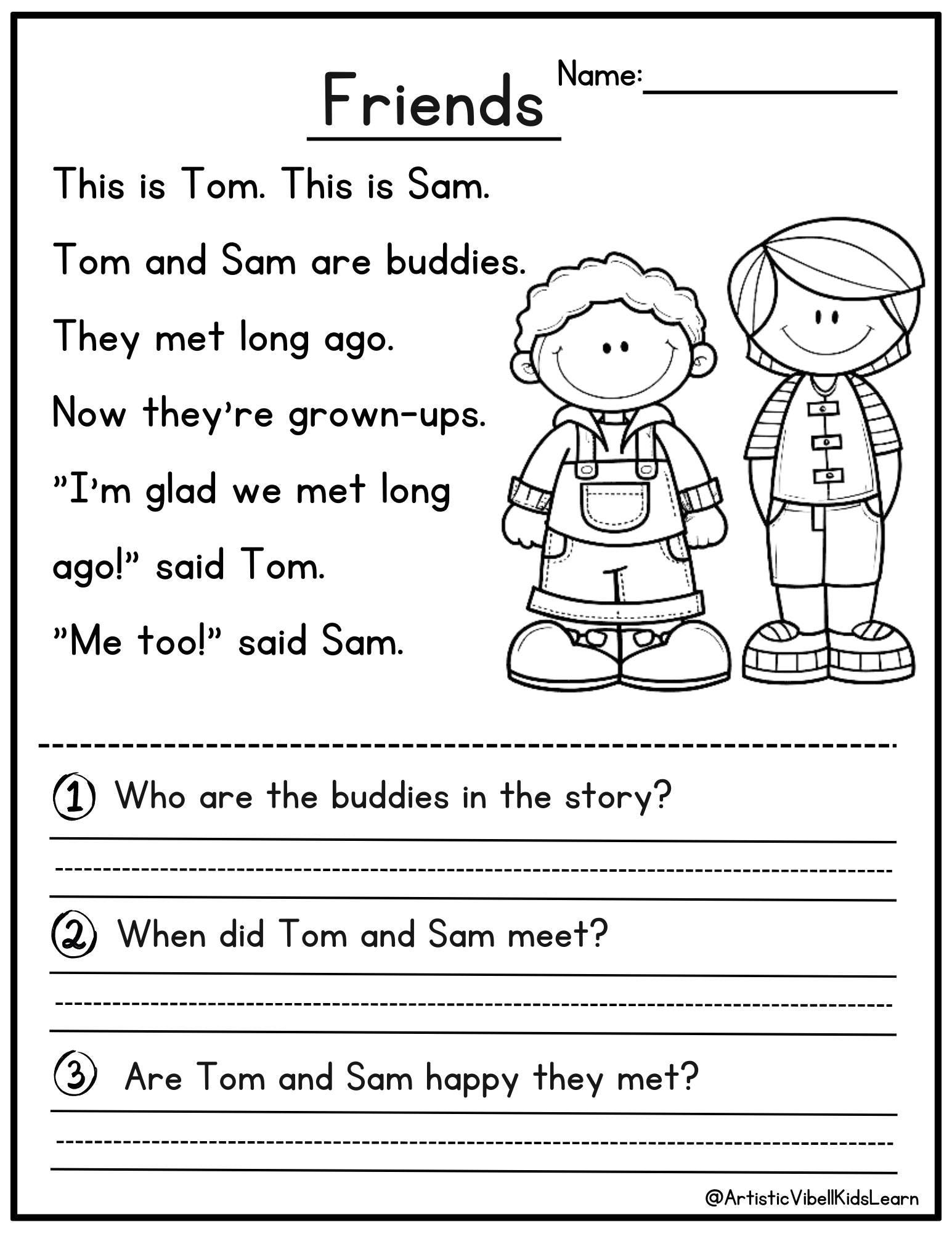
Mastering the Reading Passages Comprehension Questions Test: Strategies for 2026 Academic Success

The term reading passages comprehension questions test refers to the standardized assessment methodology used to evaluate a student's ability to extract, synthesize, and infer meaning from written text. This article addresses the educational standards for 2026, focusing on analytical rigor and objective data processing.
The Architecture of Modern Reading Assessment in 2026
The contemporary approach to reading comprehension assessments has shifted significantly from rote memorization to high-order cognitive synthesis. As of 2026, educational boards have moved toward a framework that emphasizes the integration of multi-modal data points. Students are no longer just identifying the main idea; they are being evaluated on their capacity to cross-reference primary source documents with secondary analytical texts within a single timed session.
The core of these tests relies on three distinct pillars:
- Literal Retrieval: The ability to extract explicit facts directly from the text structure.
- Inferential Reasoning: The capacity to derive implied meanings and situational context that the author has not explicitly stated.
- Evaluative Synthesis: The skill of applying text-based evidence to solve hypothetical problems or evaluate the validity of an argument.
Technical Framework for Comprehension Mastery
To succeed in a 2026 comprehension environment, test-takers must adopt a structured, systematic approach to deconstructing passages. The following methodology serves as the gold standard for high-performance test taking:
- The Pre-Read Scan: Before engaging with the prose, identify the question types. Knowing what information you need to extract transforms the reading process from passive consumption to active search.
- Structural Mapping: Identify the thesis statement, the supporting arguments, and the concluding synthesis in the first 90 seconds.
- Logical Verification: When selecting an answer, verify that your choice is supported by the text rather than external knowledge. Many 2026 tests feature "distractor" options based on common misconceptions that sound logical but lack textual backing.

Comparison of Standardized Reading Assessment Paradigms
Understanding the specific nature of your test is essential for tailoring your preparation strategy. The following table illustrates the variance in question structures across major 2026 assessment types.
| Assessment Category | Primary Focus | Constraint Level | Scoring Mechanism |
|---|---|---|---|
| Aptitude / Logic Tests | Deductive Reasoning | Very High | Percentile Ranking |
| Academic Curriculum Tests | Content Mastery | Moderate | Criterion-Referenced |
| Professional Licensing | Ethical Application | High | Pass/Fail Competency |
| Linguistic Proficiency | Syntactic Awareness | Low | Scaled Proficiency |
Addressing Cognitive Load and Time Management
One of the most frequent points of failure in 2026 testing is the misallocation of cognitive resources. In high-stakes examinations, the reading passages are intentionally designed to induce fatigue. Technical SEO strategists and instructional designers now emphasize "Time-Boxing" as the primary remedy.
If a passage involves complex technical nomenclature or dense, archaic language, the recommended strategy is to allocate 40% of the time to the first two paragraphs and the final concluding paragraph, as 70% of the critical information required for inference questions is sequestered in these sections. Avoid the temptation to perform a "deep read" on middle paragraphs unless the comprehension questions specifically target sub-details found therein.
Critical Errors to Avoid During Assessment
Many students fall into the trap of using personal heuristics to solve reading comprehension questions. This is a common failure point that invalidates an examinee's performance. Consider the following prohibited behaviors during a 2026 standardized reading test:
The External Knowledge Fallacy Never use your own expertise to correct or supplement the provided text. The test is strictly designed to measure your reading performance based on the provided corpus, not your general knowledge of the subject matter. Always prioritize the author's stated logic over established external reality.
The Extremist Trap Avoid answer choices that utilize extreme qualifiers such as always, never, or impossible unless the text provides an absolute, unqualified statement. In professional assessment standards for 2026, most correct inferences utilize moderate, nuanced language.
Expert Troubleshooting for Difficult Passages
When faced with a passage that feels incomprehensible, utilize the following triage process:
- Identify the Text Type: Is it persuasive, technical, or narrative? Each requires a different mental filter.
- Analyze the Tone: Often, if you miss the author's underlying tone, you will fail the subjective comprehension questions. Identify whether the author is objective, critical, or speculative.
- Keyword Anchoring: If the passage is dense, search for transition words (e.g., however, consequently, moreover). These indicators define the logical flow of the argument.
Frequently Asked Questions
What is the most effective way to improve reading speed without sacrificing comprehension? The most effective way is to practice "chunking," which involves reading phrases rather than individual words. By increasing your eye-span, you reduce the number of fixations required per line, allowing for better cognitive integration of information.
Do 2026 reading comprehension tests still favor vocabulary-heavy questions? Current assessments have largely pivoted away from isolated vocabulary definitions. Instead, they test "vocabulary in context," where you must determine the meaning of a word based on its interaction with the surrounding sentence structure and topical flow.
How do I handle passages that involve scientific or technical data sets? Treat these passages as data interpretation problems. Focus on the relationship between variables rather than the technical terminology itself, as the test aims to measure your ability to process the logic of the data presentation.
Should I read the questions before the passage? Yes. In 2026 testing environments, pre-reading the questions allows you to prime your brain for specific data retrieval, which significantly decreases the need for redundant reading.
Can I use scratch paper to outline the passage? While you should verify specific testing center policies, using brief shorthand notes to map the argumentative flow is highly recommended for long-form passages. Focus on tracking the progression of the author's primary argument rather than transcribing details.
Final Recommendations for 2026 Test Preparation
Success in these assessments is a function of deliberate practice and pattern recognition. By shifting your focus from reading for enjoyment to reading for extraction, you align your cognitive strategy with the requirements of current testing frameworks. Utilize mock exams that mirror the 2026 digital interface to ensure your digital navigation skills match your linguistic comprehension capabilities. If you are preparing for a specific professional or academic certification, ensure you are utilizing the current year’s handbook, as assessment rubrics are updated annually to reflect changing pedagogical standards.
Image Gallery
Select an image to open it in a new tab.