The Essence of Watercolour: The Secrets and Techniques for 2026
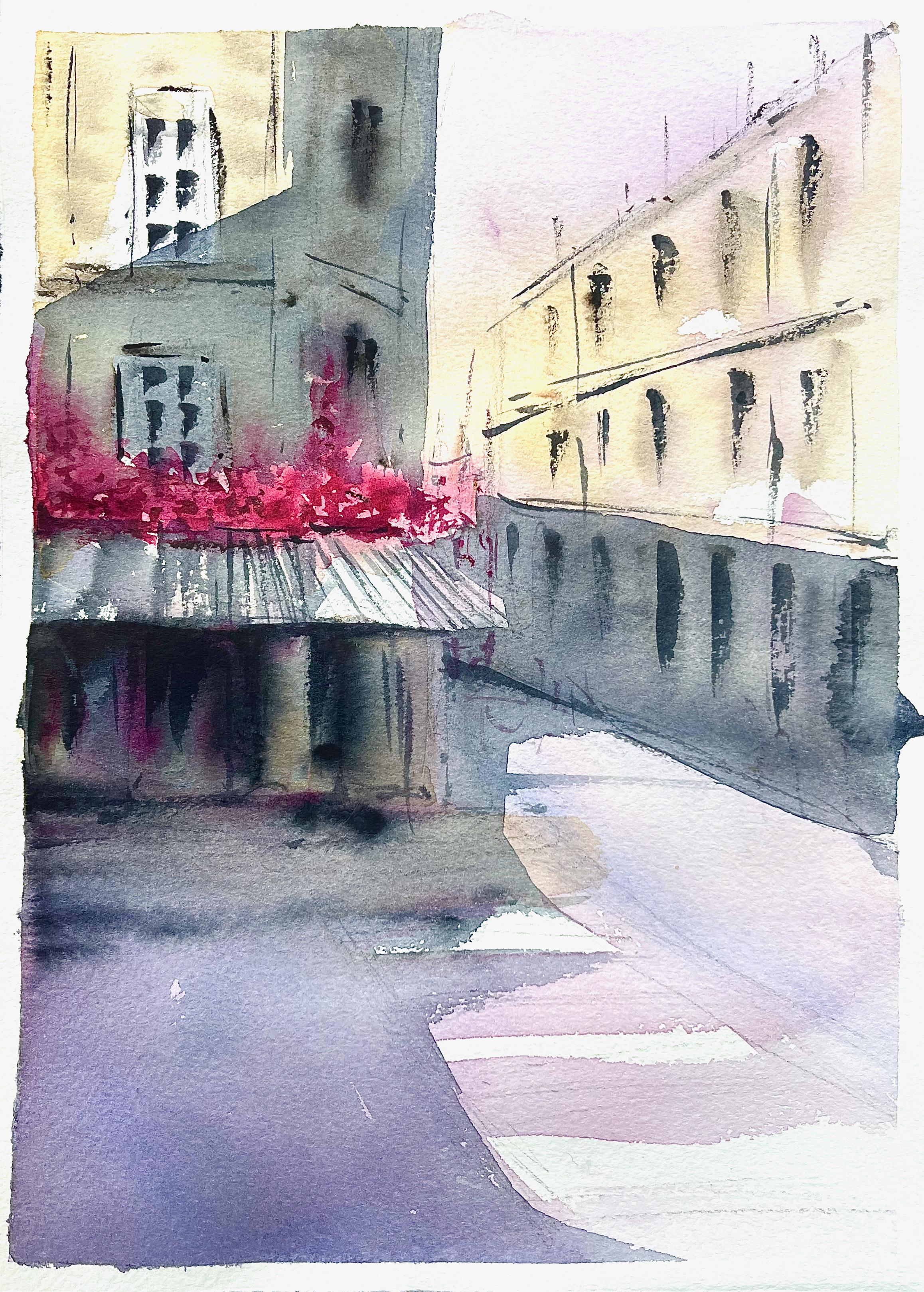
Mastering watercolour requires a delicate balance of technical precision and expressive surrender. As artistic standards evolve into 2026, the contemporary watercolourist must navigate both traditional pigment science and modern paper engineering. This comprehensive guide explores the core philosophy, hidden secrets, and advanced techniques that define professional watercolour painting today.
Understanding the Physical Nature of Watercolour
Watercolour is fundamentally a fluid dynamic medium. Unlike opaque mediums like acrylic or oil, watercolour relies on the transparency of the pigment suspended in a water-soluble binder, traditionally gum arabic. Light passes through the pigment layer, reflects off the white paper surface, and travels back through the paint to the viewer's eye. This creates a luminosity that cannot be replicated in other mediums.
To harness this medium effectively in 2026, painters must understand the relationship between water tension, pigment granularity, and paper sizing. High-grade cotton papers feature external and internal sizing (often gelatin) that prevents water from sinking instantly into the wood pulp, allowing the pigment particles to settle gracefully on the surface.
Material Integrity in Modern Art
Investing in professional-grade artist materials fundamentally alters your technical success. Fugitive dyes and wood-pulp papers yellow over time and warp unpredictably under washes, whereas 100% cotton rag and lightfast mineral pigments ensure archival stability for decades.
Essential Pigment Characteristics and Classification
Every tube or pan of watercolour paint possesses distinct physical properties that dictate how it behaves on the paper. Professional artists select their palette based on four critical technical classifications: staining power, transparency, granulation, and tinting strength.
- Transparency: Divided into transparent, semi-transparent, and opaque. Transparent pigments (such as quinacridones and phthalos) allow underlying washes to shine through without dulling the color.
- Granulation: Heavy mineral pigments, such as ultramarine and raw umber, tend to settle into the valleys of rough paper, creating a textured, mottled visual effect prized in landscape and architectural rendering.
- Staining: Non-staining pigments can be easily lifted from the paper using a damp brush or sponge, while staining pigments bond deeply with the cellulose fibers.
- Tinting Strength: Measures how intensely a pigment colors a mixture. A high-tinting paint like Phthalo Blue will quickly overpower weaker earth tones if not carefully proportioned.

Advanced Brushwork and Water Control Workflows
The secret to watercolour mastery lies not in how you apply the paint, but in how you manage the moisture level of your brush, the paper, and the palette. The interaction between water and pigment is categorized into several distinct stages of paper dampness.
- Wet-in-Wet (Alla Prima): Applying wet paint onto pre-wetted paper. This technique is ideal for soft, bleeding backgrounds, atmospheric skies, and out-of-focus floral elements.
- Damp-on-Dry: Applying a moist brush to dry paper to establish crisp edges, sharp focal points, and hard structural lines.
- Dry Brush (Scumbling): Using a nearly dry brush with very little pigment over rough, dry paper. The bristles catch only the peaks of the paper texture, creating broken, sparkling textures ideal for rough water, tree bark, or sunlit stone.
- Lifting and Subtraction: Removing pigment from the paper using a clean, damp synthetic brush or a natural sea sponge to reveal highlights, clouds, or correction paths.
Comparative Analysis of Watercolour Papers
Choosing the right paper surface dictates the final character of your painting. The table below outlines the primary types of watercolour substrates used by professional artists.
| Paper Type | Weight (GSM / LB) | Surface Texture | Best Used For | Drying Behavior |
|---|---|---|---|---|
| Hot Pressed (HP) | 300 GSM / 140 lb | Smooth, fine-grained | Botanical illustration, portraits, fine line work | Fast surface evaporation, easier lifting |
| Cold Pressed (NOT) | 300 GSM / 140 lb | Medium texture (bumpy) | General landscapes, seascapes, versatile painting | Balanced absorption and drying time |
| Rough | 300 GSM / 140 lb | Deep, pronounced tooth | Expressive, loose impressionistic work | Deep pigment pooling in paper valleys |
| Heavyweight Cotton | 640 GSM / 300 lb | Varies (HP or CP) | Large formats, heavy washes, no stretching needed | Extended working time, zero buckling |
Step-by-Step Technical Guide: Creating Luminous Washes
Executing a clean, flat or graded wash is the cornerstone of watercolour competency. Follow this procedural workflow to achieve professional, streak-free results.
- Step 1: Board Preparation. Secure your 100% cotton paper to a rigid waterproof board using artist tape or staples to prevent warping, tilting the board at a 15-to-30-degree angle.
- Step 2: Mixing the Pool. Mix a generous puddle of your chosen color in your palette. Never mix paint directly on the paper unless working wet-in-wet; ensure you have enough liquid to cover the intended area completely.
- Step 3: The Bead Technique. Load a large mop or flat brush, place a rich bead of paint at the top edge of your paper, and sweep downward in smooth, horizontal strokes.
- Step 4: Maintaining the Wet Edge. As you pull the brush downward, a small pool or "bead" of liquid will form at the bottom of the stroke. Pick up this bead with the next stroke of your brush to maintain a continuous, seamless wash without drying lines.
- Step 5: Drying Phase. Allow the wash to dry completely natural without heat intervention. Using a hairdryer can push wet pigment unpredictably and create hard water rings.
Troubleshooting Common Watercolour Mistakes
Even experienced painters encounter unpredictable chemical reactions on paper. Here are professional solutions to common watercolour dilemmas:
- Cauliflower Blooms (Back-runs): Occurs when wet paint is introduced to a semi-dry wash. Fix: Let the area dry completely, then gently glaze over the entire section to unify the tone, or soften the edges with a damp brush.
- Muddy Colors: Caused by mixing more than three primary pigments together or overworking wet layers. Fix: Scrape away the top layer gently with a scalpel once dry, or lift the pigment with a stiff hog-bristle brush.
- Hard Edges on Skies: Caused by working too slowly on dry paper. Fix: Pre-wet the paper with clean water before applying pigment, or use a larger brush to cover ground faster.
Frequently Asked Questions
What is the most important secret to controlling watercolour paint?
The single most important secret is mastering the water-to-pigment ratio and recognizing the exact moisture stage of your paper. Understanding when your paper is glistening, damp, or dry dictates whether your paint will flow freely or stay locked in place.
Do I need expensive 100% cotton paper to learn watercolour?
While you can practice basic brushstrokes on cheaper cellulose paper, 100% cotton paper is strongly recommended for serious progress. Cellulose paper absorbs water too quickly and buckles easily, which hinders your ability to learn proper glazing and washing techniques.
How do I prevent my watercolour paintings from looking dull when dry?
Watercolour dries lighter and less vibrant than it appears when wet due to light refraction through drying gum arabic. To counteract this, mix your values slightly darker and richer on the palette than your target result on the paper.
What is negative painting in watercolour?
Negative painting is the advanced technique of painting around the subject rather than painting the subject itself. By defining the background shapes and negative spaces, the primary subject emerges organically from the unpainted paper.
How should I store my finished watercolour paintings?
Finished watercolours must be stored away from direct ultraviolet sunlight behind UV-filtering glass or acrylic. Frame them with acid-free matting to ensure air circulation and prevent moisture condensation against the glass.
Conclusion
The essence of watercolour lies in its beautiful unpredictability. By mastering the core principles of paper physics, pigment behavior, and water control, you transform accidental blooms into intentional works of art. Embrace the fluid nature of the medium, respect your materials, and let the transparency of the paint guide your creative expression.
Image Gallery
Select an image to open it in a new tab.