Understanding the Concept of the "Most Dangerous Website"

The phrase "most dangerous website" does not refer to a single, permanent entity on the internet, but rather represents a changing landscape of malware vectors, phishing hubs, and scam portals flagged by cybersecurity organizations like Google Safe Browsing and Microsoft SmartScreen. Navigating the modern web requires understanding how these hazardous domains operate, how security filters categorize them, and what steps users must take to avoid digital threats.
Defining the "Most Dangerous Website" Phenomenon
In popular culture and internet lore, users often search for the "most dangerous website" out of curiosity, expecting to find a specific URL that triggers catastrophic damage instantly. In reality, cybersecurity agencies and threat intelligence firms do not crown a single portal with this title. Instead, the designation shifts dynamically based on active cybercriminal campaigns, exploited zero-day vulnerabilities, and sudden spikes in credential harvesting operations.
From a technical perspective, a dangerous website is any digital platform designed to compromise the confidentiality, integrity, or availability of a user's device and data. These platforms generally fall into three distinct operational categories: drive-by download vectors, social engineering traps, and malicious advertising (malvertising) distribution networks. Understanding these categories helps demystify how seemingly benign web pages transform into severe security liabilities.
Furthermore, search intent behind this phrase often splits between thrill-seekers looking for simulated danger—such as shock sites or notorious browser-crashing URLs—and security-conscious individuals trying to understand real-world cyber threats. Recognizing this distinction is vital, as visiting a shock site might cause psychological distress, whereas stumbling upon an active phishing or malware distribution site can lead to immediate financial loss and identity theft.
Common Categories of High-Risk Web Properties
To protect systems effectively, users must recognize the specific archetypes of hazardous domains that populate the threat landscape. Security platforms categorize these sites based on their primary attack mechanism and the intended impact on the victim.
1. Drive-by Download Vectors
Drive-by download sites are compromised legitimate pages or malicious domains that exploit browser or operating system vulnerabilities to install malware silently. When a user visits the URL, background scripts scan the browser environment for outdated plugins, unpatched security flaws, or misconfigured settings. If a vulnerability is found, the server executes a payload—ranging from keyloggers to ransomware—without requiring any active user interaction beyond simply loading the page.
2. Advanced Phishing and Credential Harvesting Portals
Phishing sites masquerade as trusted entities, such as banking institutions, cloud storage providers, or social media networks. These domains often employ typo-squatting (using subtly misspelled domain names) and valid SSL certificates to trick users into believing they are on a secure, authentic platform. Once the victim enters login credentials, two-factor authentication codes, or financial details, the data is instantly routed to the attacker, leading to account takeover or financial fraud.
3. Tech Support and Ransomware Scams
Some of the most aggressive dangerous websites utilize browser-locking scripts and audio alerts to simulate a critical system failure. These pages flood the screen with alarming pop-ups claiming that the computer has been infected with a virus, urging the user to call a toll-free number or download unauthorized remote-access software. These scams aim to manipulate panic-stricken users into paying exorbitant fees for fake technical support or surrendering control of their devices.
| Threat Category | Primary Mechanism | Potential Impact | Detection Method |
|---|---|---|---|
| Drive-by Downloads | Exploiting unpatched browser flaws | Malware, ransomware installation | Automated vulnerability scanners, antivirus signatures |
| Phishing Portals | Social engineering and visual spoofing | Credential theft, identity fraud | Reputation blacklists, heuristic URL analysis |
| Tech Support Scams | Browser lockup and psychological pressure | Financial extortion, remote device access | Content filters, script-blocking extensions |

How Security Systems Track and Block Dangerous URLs
Modern operating systems, web browsers, and enterprise firewalls rely on sophisticated, automated telemetry pipelines to identify and neutralize dangerous websites before they cause harm. Organizations like the Google Safe Browsing project process billions of URLs daily, analyzing web pages for suspicious code patterns, redirection chains, and historical threat data.
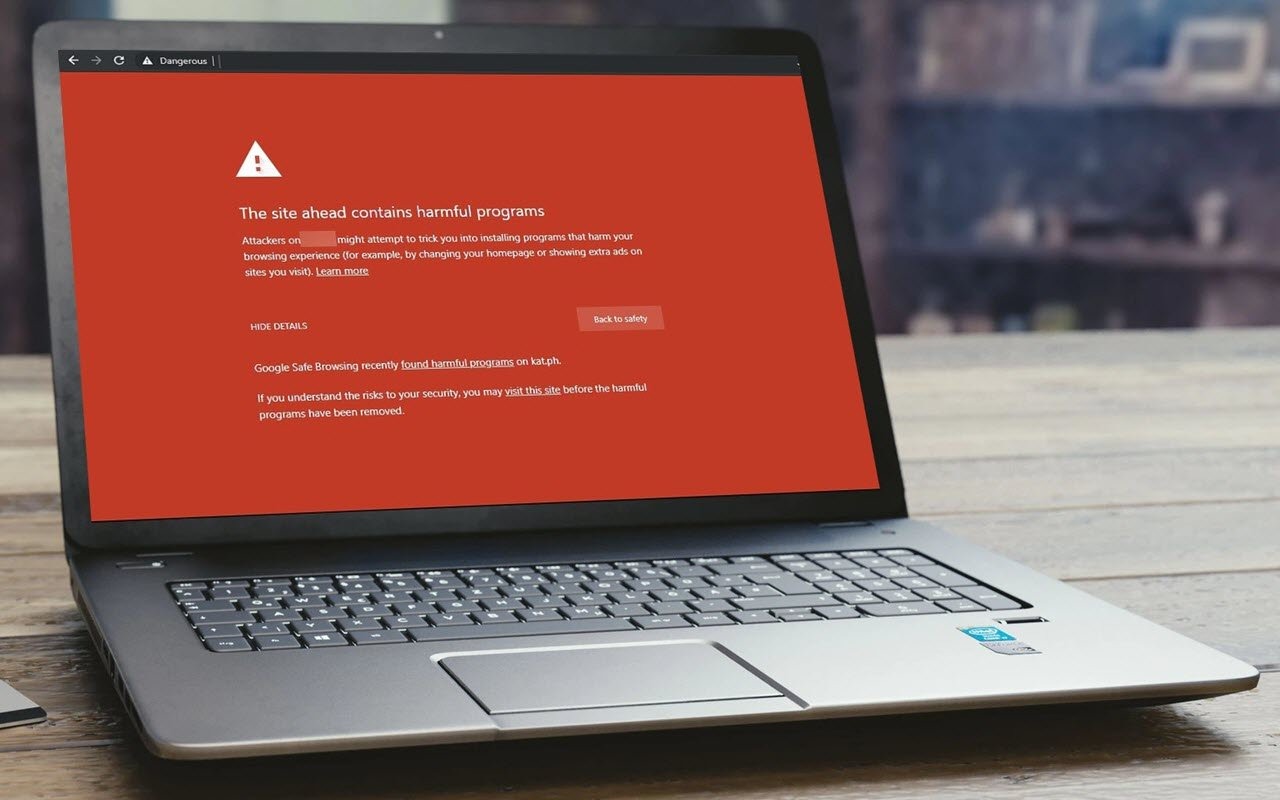
When a URL is flagged, it is added to a real-time blacklist that browsers consult via cryptographic lookups. This process preserves user privacy while instantly blocking access to verified threats. If a user attempts to navigate to a flagged page, the browser intercepts the request and displays a prominent warning interstitial page, detailing the specific risk—such as deceptive content or malware distribution—associated with the domain.
Beyond static blacklists, advanced security solutions utilize heuristic analysis and machine learning models. These systems evaluate the structural properties of a webpage, analyzing elements such as domain age, registration details, page layout similarities to known brands, and obfuscated JavaScript code. If a newly registered domain exhibits behavioral characteristics common to phishing campaigns, security filters flag it proactively, even if it has not yet logged a documented victim.
Technical Safeguards and Defensive Strategies
Mitigating the risks posed by hazardous websites requires a defense-in-depth strategy that combines automated tools with cautious browsing habits. Relying solely on a single layer of security leaves devices vulnerable to novel or highly targeted attacks.
Implementing Essential Browser Protections
Users should ensure that built-in security features, such as Google Safe Browsing, Microsoft Defender SmartScreen, or equivalent protections in privacy-focused browsers, remain actively enabled. Additionally, installing reputable content blockers and script-inhibiting extensions can drastically reduce the execution surface of malicious JavaScript payloads, preventing drive-by downloads and aggressive pop-up loops.
Keeping Systems and Software Updated
Because drive-by download vectors rely heavily on unpatched vulnerabilities, maintaining rigorous software hygiene is paramount. Operating systems, web browsers, and third-party plugins—particularly media players and document readers—must be updated immediately upon the release of security patches. Automated updates remove the window of opportunity that attackers exploit using known vulnerability databases.
Exercising Vigilance with Links and Correspondence
The vast majority of dangerous websites are encountered through external entry points, such as unsolicited email links, malicious social media messages, or fraudulent search engine advertisements. Users should cultivate the habit of inspecting destination URLs before clicking, verifying domain spellings, and navigating directly to sensitive services via bookmarks rather than following links provided in unverified correspondence.
Frequently Asked Questions
Is there an official "most dangerous website" on the internet?
No single website holds this title permanently. The designation shifts constantly as security researchers discover, neutralize, and blacklist new malicious domains, phishing portals, and compromised servers across the global web.
What happens if I accidentally click on a dangerous website?
If your browser is up to date and equipped with security filters like Safe Browsing, it will typically intercept the connection and display a warning page before the malicious code can execute. If the page loads fully, close the tab immediately, avoid interacting with any prompts, and run a full system antivirus scan.
How do cybercriminals make malicious websites look legitimate?
Attackers use techniques like typo-squatting (registering domains with minor spelling variations of popular brands), acquiring valid SSL certificates to display the padlock icon, and cloning the visual layout and branding of trusted institutions to deceive visitors.
Can visiting a website give my computer a virus without downloading anything?
Yes. Through drive-by downloads, compromised websites exploit unpatched vulnerabilities in your web browser or operating system to install malware silently in the background simply by rendering the page content.
How can I check if a website is safe before visiting it?
You can use URL analysis and threat intelligence platforms like Google Transparency Report, VirusTotal, or URLScan.io to inspect a domain's reputation, historical safety flags, and network behavior before loading it in your primary browser.
Practical Recommendations for Safe Browsing
To maintain a secure digital environment, prioritize proactive defense over reactive cleanup. Always verify the authenticity of URLs before entering credentials or sensitive personal information, particularly when arriving via search engine ads or email links. Maintain an updated software ecosystem, utilize modern browsers with native threat detection, and never ignore security warning interstitials generated by your system. If you encounter a suspected malicious domain, report it immediately to the relevant web safety clearinghouses to help protect the broader internet community.
Image Gallery
Select an image to open it in a new tab.



Lara Jenkins
Cyber-Education Reviewer
