
The evolution of "dia" restaurants in the United States reflects a broader cultural transformation in how regional and traditional global cuisines are introduced, adapted, and integrated into the American dining landscape. Ranging from dining concepts linked to specific cultural nomenclature to distinct modern culinary formats, these establishments have transitioned from niche immigrant enclaves into mainstream mainstays. This development mirrors shifts in consumer preferences, real estate economics, labor markets, and the persistent desire for authenticity coupled with accessibility.
Understanding this trajectory requires examining how culinary concepts evolve through distinct phases of adoption, commercial scaling, and modern refinement. While the term "dia" can manifest in various culinary contexts—ranging from Spanish-inspired tapas bars utilizing "Día" branding to specific regional formats—the overarching progression follows a structured path of market penetration, menu adaptation, and operational maturation.
Early Foundations and Cultural Enclaves
The earliest iterations of specialized dining concepts in the United States often emerged within distinct immigrant communities. During the mid-to-late 20th century, these spaces served primarily as community hubs rather than commercial ventures targeting the broader public.
Menus during this foundational period remained uncompromised, prioritizing traditional ingredients, preparation methods, and flavor profiles native to the proprietors' homelands. However, structural challenges marked this era:
- Supply Chain Constraints: Sourcing authentic spices, proteins, and specialty produce required navigating complex import regulations and limited distribution networks.
- Language and Marketing Barriers: Operations relied heavily on word-of-mouth within immigrant communities, lacking the capital or media channels to reach broader demographics.
- Regulatory Compliance: Kitchens frequently had to adapt traditional recipes to comply with local health department codes without sacrificing core flavor profiles.
Despite these hurdles, these early establishments laid the groundwork for broader cultural appreciation. They established trust among adventurous eaters and laid the technical groundwork for later culinary entrepreneurs.
The Shift Toward Mainstream Commercialization
As the American palate grew increasingly sophisticated toward the end of the 20th century and into the early 2000s, specialized dining concepts began migrating out of ethnic enclaves and into high-visibility urban commercial districts. This transition marked a decisive shift from community-centric survival to aggressive commercial positioning.
Restaurateurs recognized that to capture a broader market, they needed to balance authenticity with approachability. This balance manifested in several operational and conceptual changes:
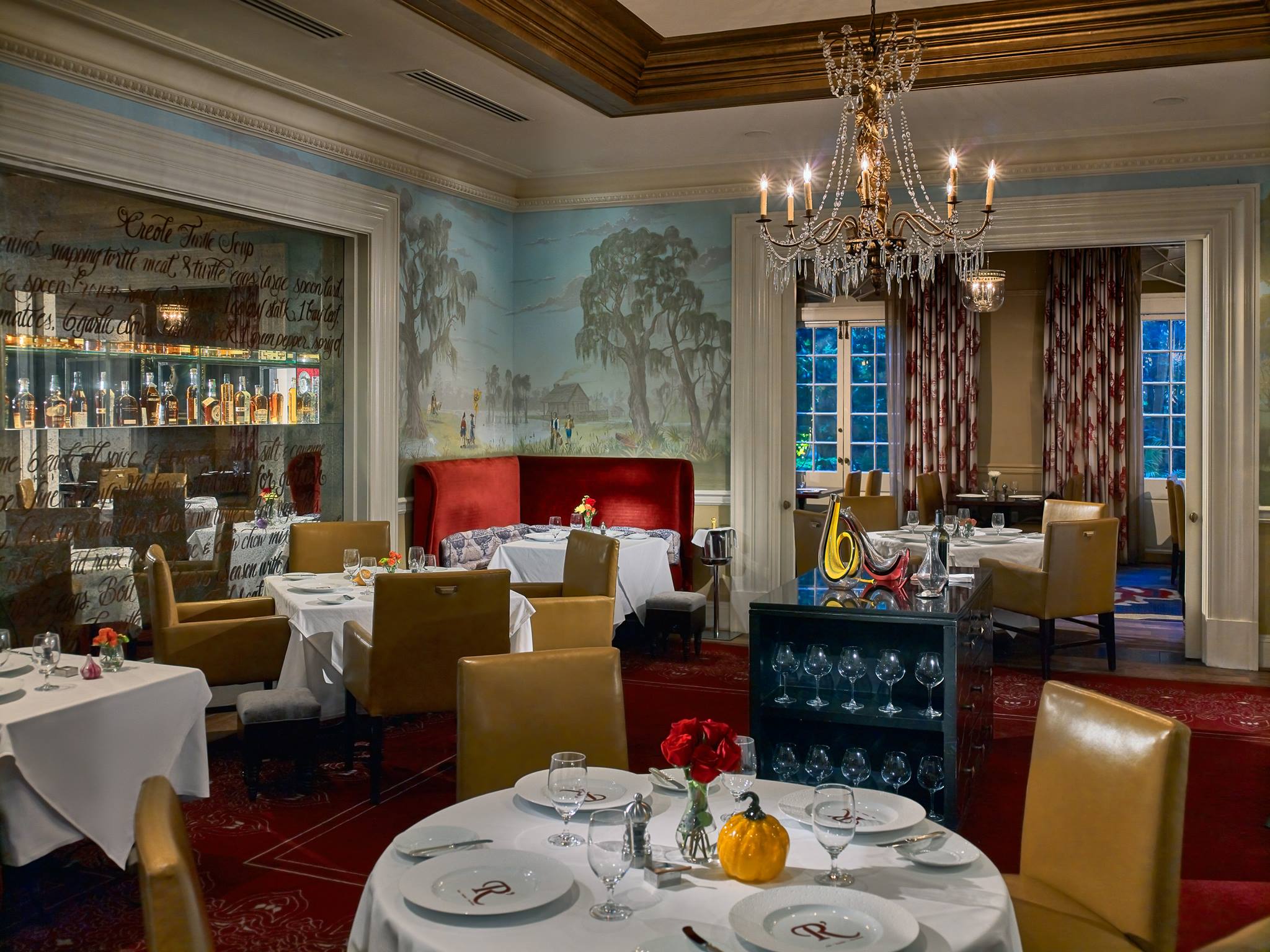
- Interior Design and Ambiance: Interiors shifted from utilitarian community spaces to carefully curated environments featuring modern lighting, open kitchens, and thematic decor designed to evoke a specific sense of place.
- Front-of-House Service: Service styles evolved to include educational components, where front-of-house staff actively guided patrons through unfamiliar menu items, flavor profiles, and regional wine or beverage pairings.
- Portion Structuring: Traditional family-style service was frequently adapted into individual plating or shareable small-plates formats, lowering the barrier to entry for hesitant diners.
Modern Menu Engineering and Fusion Adaptations
In the contemporary culinary ecosystem, concepts falling under the broad umbrella of specialized dining must continually innovate to remain competitive. Modern operators utilize sophisticated menu engineering, data-driven customer feedback, and cross-cultural experimentation to capture market share.
Chef-driven initiatives have introduced hybrid formats where traditional techniques meet local, sustainably sourced American ingredients. This evolution has fostered a dynamic tension between purists who advocate for traditional preparation and innovators who leverage modern culinary science.
| Development Phase | Primary Target Audience | Core Operational Strategy | Typical Menu Focus |
|---|---|---|---|
| Foundation Era | Immigrant communities & cultural expatriates | Word-of-mouth marketing, family labor, organic sourcing | Strictly traditional recipes, comfort foods, rare imports |
| Commercialization Era | Urban food enthusiasts & adventurous diners | Professional branding, high-visibility real estate, curated ambiance | Adapted regional classics, introductory tasting formats |
| Modern Innovation Era | Gen Z, millennials, and conscious consumers | Digital marketing, sustainability, localized sourcing, cross-cultural fusion | Hyper-seasonal ingredients, elevated small plates, zero-waste initiatives |
Economic Realities and Operational Challenges
Operating a specialized dining concept in the United States presents a complex set of financial and logistical variables. Modern restaurateurs must navigate escalating commercial real estate costs, volatile food commodity pricing, and persistent labor shortages.
Furthermore, the rise of third-party delivery aggregators and digital-first dining habits has forced operators to rethink their business models. While ghost kitchens and delivery-optimized menus offer alternative revenue streams, they often conflict with concepts that rely heavily on physical ambiance and service-driven experiences.
- Labor Market Pressures: Finding culinary talent skilled in specific traditional techniques requires competitive compensation and structured training pipelines.
- Real Estate Costs: Securing foot traffic in major metropolitan hubs demands significant capital expenditure, heightening the risk of early failure.
- Supply Chain Resilience: Global trade fluctuations require operators to establish secondary and tertiary local suppliers for key ingredients without compromising quality.
Frequently Asked Questions
What defines a specialized dining concept in the modern American restaurant industry?
A specialized dining concept is defined by its commitment to a distinct culinary tradition, regional identity, or thematic focus. Rather than offering a generalized American menu, these establishments center their identity on specific preparation methods, ingredient sourcing, and cultural narratives.
How has consumer demand influenced the evolution of these restaurants?
Increasing consumer travel, exposure to global media, and a cultural shift toward culinary curiosity have driven demand for authentic yet accessible dining experiences. Diners increasingly expect transparency in ingredient sourcing and a narrative behind the food they consume.
What are the primary financial hurdles for independent operators in this sector?
Independent operators face high initial capital requirements for specialized equipment, volatile costs for imported or specialty ingredients, and substantial overhead associated with commercial real estate in major urban markets.
Are traditional recipes modified to suit American dietary preferences?
Yes, operators often balance authenticity with local preferences by adjusting spice levels, offering dietary accommodations (such as gluten-free or vegan alternatives), and modifying portion sizes to fit American dining habits.
What role does technology play in the modern operation of these venues?
Technology streamlines everything from inventory management and point-of-sale analytics to reservation systems and digital marketing campaigns, helping operators maintain profit margins in a competitive market.
Strategic Outlook and Next Actions
For culinary entrepreneurs, investors, and industry analysts observing the trajectory of specialized dining in the United States, success increasingly relies on operational agility and clear market positioning. Operators must balance strict adherence to quality with the flexibility to adapt to changing consumer habits and economic pressures.
When evaluating or investing in these culinary concepts, stakeholders should prioritize conducting thorough local market analyses, assessing supply chain reliability, and ensuring that staffing models are built for long-term sustainability rather than short-term trends.
Image Gallery
Select an image to open it in a new tab.


Bianca Reyes
Electronic Banking and Assets Analyst
