Understanding and Utilizing a Sample Shooting Script at UNM

A sample shooting script at UNM provides film and media arts students with a standardized blueprint for planning, budgeting, and executing academic and independent video productions. It typically outlines scene headings, action lines, character dialogue, camera angles, and technical directives tailored to institutional equipment check-out procedures and campus location guidelines.
Introduction to the UNM Film and Media Arts Production Environment
Navigating the production landscape at the University of New Mexico (UNM) requires a deep understanding of how institutional guidelines intersect with professional filmmaking standards. For students enrolled in courses within the Department of Cinematic Arts or associated media programs, transitioning a written concept into a visual medium begins long before the camera rolls. It begins with the pre-production documentation, most notably the shooting script.
A sample shooting script at UNM acts as more than just a creative blueprint; it is a tactical manual designed to survive the rigorous scrutiny of safety officers, equipment room managers, and faculty supervisors. Because student productions operate within specific liability parameters, time constraints, and resource limitations, learning how to format, structure, and execute a shooting script correctly is a core competency. This guide explores the anatomy of a UNM-standard shooting script, examines how it bridges the gap between screenwriting and principal photography, and outlines the practical steps required to take a script from the page to the screen on the Albuquerque campus.
The Purpose and Evolution of the Shooting Script
To appreciate why a specific sample shooting script matters at UNM, one must understand the distinct difference between a spec script (or master scene script) and a shooting script. While a spec script focuses purely on narrative progression, character arc, and dialogue for reading purposes, a shooting script is a technical document meant for execution.
From Spec to Production
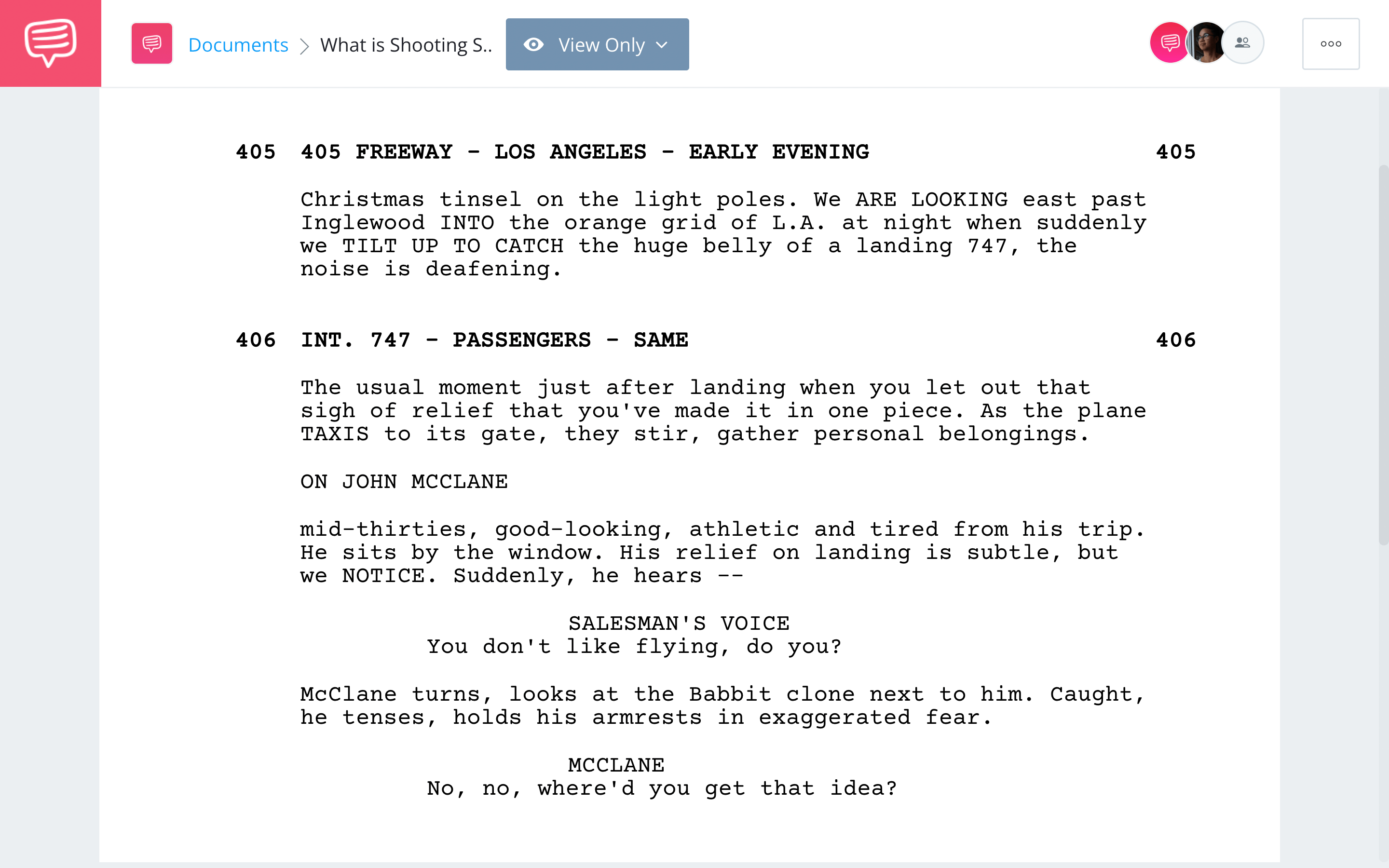
When a student moves from writing a narrative short to producing it, the script must evolve. A shooting script incorporates technical specifications that dictate how the crew will capture each scene. This includes:
- Scene Numbers: Sequential numbering matching the breakdown sheets used by the assistant director.
- Camera Directives: Explicit notations regarding framing, lens choices, and movement (e.g., PAN, TILT, DOLLY).
- Audio Cues: Specific notes for sound recordists regarding dialogue isolation, room tone, and practical sound effects.
- Transition Markers: Clear indications of how scenes edit together (CUT TO, DISSOLVE TO), aiding the editor in post-production planning.
Institutional Alignment
At UNM, equipment room policies and safety protocols heavily influence script design. A student cannot write a scene featuring unpermitted public street stunts, unauthorized firearms props, or restricted campus roof access without triggering immediate administrative red flags. Therefore, a proper sample shooting script serves as a compliance check, ensuring that every scripted element aligns with university risk management guidelines before equipment is ever reserved.

Key Components of a UNM-Standard Shooting Script
A properly formatted shooting script follows industry-standard screenplay formatting (typically utilizing software such as Final Draft, Fade In, or free alternatives like Celtx and Trelby) while incorporating specific production metadata required by academic supervisors.
| Script Element | Function in a UNM Production Context |
|---|---|
| Scene Heading (Slugline) | Defines location type (INT./EXT.), specific UNM set/location, and time of day (DAY/NIGHT). |
| Scene Numbers | Bracketed numbers on both margins used for script breakdown, scheduling, and lining scripts. |
| Action Lines | Concise descriptions of physical movement, blocking, and environmental details affecting camera setup. |
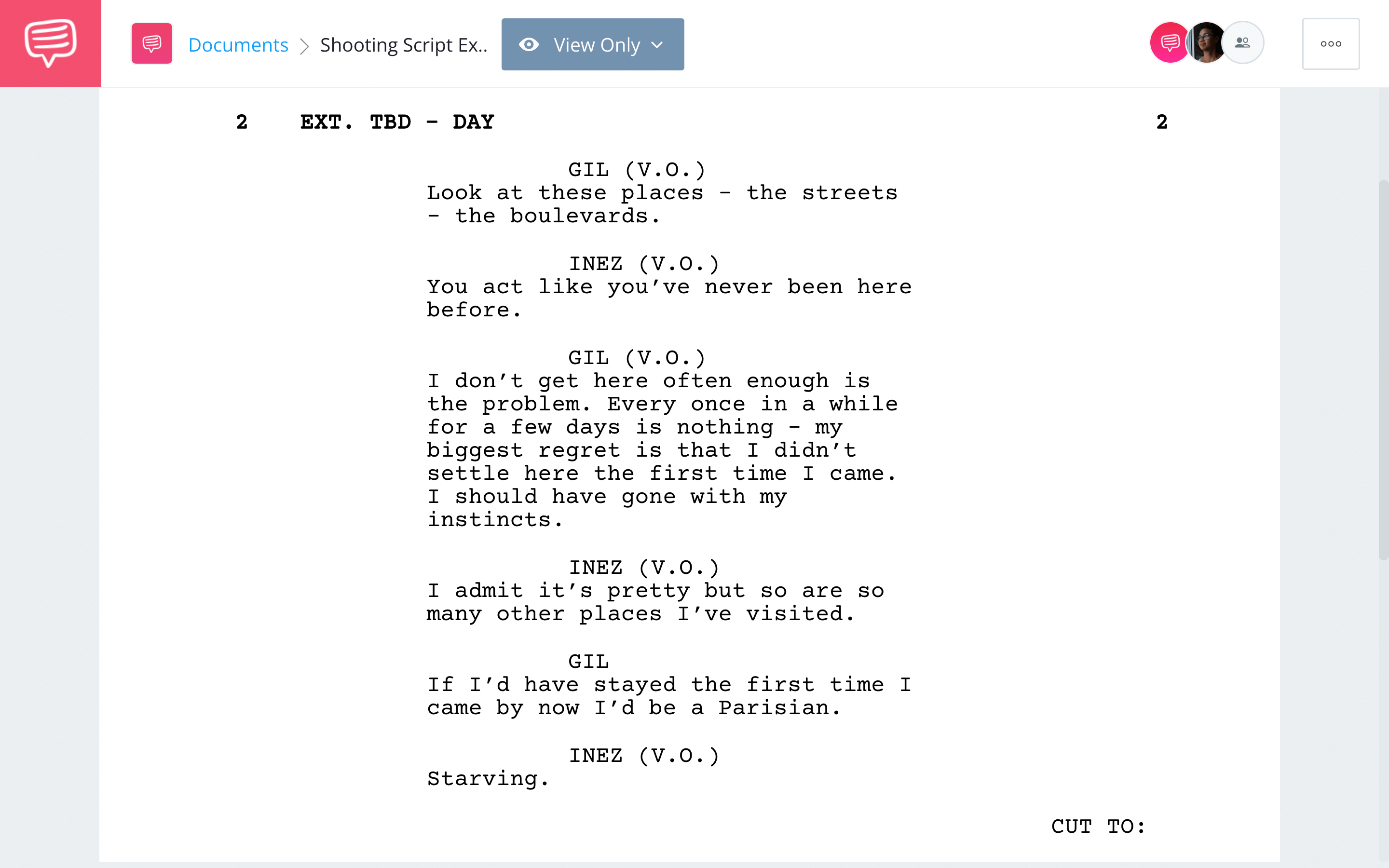
| Character Names | Centered capitalized names above dialogue; must match the cast list on call sheets and breakdown sheets. |
| Parentheticals | Brief performance notes or vocal delivery instructions placed directly under the character name. |
| Technical Directives | Explicit camera angles, framing notes, and lighting cues integrated to guide the Director of Photography. |
Sluglines and Location Management
Location scouting is a critical phase of pre-production at UNM. The slugline in a shooting script must accurately reflect available or permitted spaces. For instance, writing an exterior scene on Centennial Engineering Center steps requires precise logistical planning with UNM Campus Office of Meetings, Events & Facilities. The script must account for real-world ambient sound issues, such as campus shuttle noise or pedestrian traffic, which directly impacts audio recording strategies.
Pre-Production Prerequisites: Moving from Script to Shoot
A sample shooting script does not exist in a vacuum. Before a student crew can check out camera packages, lighting kits, and audio gear from the departmental cage, the script must undergo rigorous pre-production translation.
1. Script Breakdown
The assistant director and producer examine the shooting script page by page, highlighting and cataloging every element required for each scene. This includes:
- Cast & Extras: Identifying speaking roles and background actors.
- Wardrobe & Makeup: Tracking continuity across different shooting days.
- Props & Special Equipment: Listing items that require clearance or special handling.
- Special Effects: Identifying practical effects (smoke, simulated rain) that require campus safety approvals.
2. Shot Listing and Storyboarding
While the shooting script provides the linear text, the shot list and storyboard translate that text into spatial geometry. The director and cinematographer review the script to determine coverage. Decisions must be made regarding whether to shoot a master wide shot, medium tracking shots, or tight insert shots. At UNM, student directors are encouraged to submit detailed shot lists alongside their shooting scripts during pre-production pitch meetings to demonstrate technical preparedness.
Compliance, Safety, and University Policies
Operating under the banner of UNM brings specific regulatory obligations. Film sets on university property must adhere strictly to institutional risk management policies.
Location Permits and Insurance
Filming inside academic buildings, libraries, or residence halls requires prior written permission from building proctors and university communications. A shooting script that calls for night shoots or after-hours access must be accompanied by approved facility request forms. Furthermore, student productions utilizing university-owned gear are covered under specific institutional liability policies, provided the equipment is operated by trained students within authorized zones.
Safety Protocols for Stunts and Firearms
UNM has a zero-tolerance policy for unverified prop weapons or dangerous physical stunts on campus grounds. If a sample shooting script includes simulated violence, physical altercations, or prop firearms, the production team must file a comprehensive safety plan, notify UNM Police Department (UNMPD) in advance, and utilize certified safety personnel or faculty supervision. Ignoring these steps can result in immediate revocation of equipment checkout privileges and academic penalties.
Step-by-Step Guide: Preparing and Formatting Your Shooting Script
Creating a production-ready script requires a methodical approach that blends creative writing with technical organization. Follow these steps to prepare your document for a UNM media production course:
- Establish the Master Narrative: Write your core story using standard screenplay software, ensuring dialogue and action flow naturally without worrying about technical cuts initially.
- Lock the Script Version: Once faculty or peer review is complete, "lock" the script. This ensures that scene numbers remain static, preventing confusion during scheduling and script lining.
- Integrate Technical Scene Numbers: Add sequential scene numbers to the left and right margins of every slugline.
- Annotate Camera and Audio Requirements: Insert subtle technical notes where specific visual framing is essential to storytelling, avoiding over-directing on the page while maintaining clarity for your Director of Photography.
- Cross-Reference with Budget and Gear Lists: Review the script against your equipment reservation limits (such as camera package availability from the departmental cage) to ensure what is written can actually be filmed with available resources.
- Submit for Pre-Production Approval: Provide the final shooting script, along with your breakdown sheets and call sheet templates, to your instructor or production manager for final sign-off.
Common Mistakes to Avoid on Student Production Scripts
Many student filmmakers encounter avoidable hurdles during production due to errors made during the scriptwriting and planning phases.
- Ignoring Practical Time Constraints: Writing overly complex action sequences with multiple locations in a single three-hour production block often leads to rushed footage and poor audio quality. Keep scope aligned with available time.
- Failing to Account for Sound: Interior locations with loud HVAC systems or exterior scenes near major Albuquerque roadways can ruin production audio. The script should be designed with environmental acoustic realities in mind.
- Neglecting Continuity Details: Changing wardrobe or prop details arbitrarily between scenes causes severe continuity errors during the editing phase.
- Skipping Administrative Clearances: Assuming public campus spaces can be filmed without scheduling permits often results in campus security shutting down production mid-day.
Frequently Asked Questions
What software is recommended for formatting a UNM shooting script?
Standard industry software like Final Draft and Fade In is widely utilized, but free open-source tools such as Trelby or browser-based options like WriterDuet are fully acceptable as long as they adhere to standard screenplay and shooting script formatting conventions.
Can I film anywhere on the UNM campus using a student shooting script?
No. While many outdoor public spaces are accessible, filming inside specific academic buildings, research labs, or residential areas requires explicit advance permission from facility managers and the UNM Campus Office of Meetings, Events & Facilities.
How do camera angles get marked in a professional shooting script?
Camera angles are typically indicated through sluglines, action descriptions, or parentheticals when a specific perspective is vital to the story. However, modern shooting scripts often keep excessive camera direction to a minimum, leaving shot selection to the collaborative director-cinematographer relationship and the separate shot list document.
What should I do if my script requires the use of prop weapons?
You must notify the Department of Cinematic Arts faculty advisor and file paperwork with the UNM Police Department well in advance. Simulated weapons must be clearly marked, stored securely when not on camera, and never displayed openly in public campus areas.
Are student filmmakers insured while shooting on location?
UNM provides liability coverage for student projects that are officially tied to coursework and utilize approved equipment check-out procedures, provided all university safety guidelines and location permits are properly secured prior to principal photography.
Conclusion and Next Actions
Mastering the creation and execution of a sample shooting script at UNM is an essential milestone for any media production student. By bridging creative storytelling with rigorous technical breakdown, location compliance, and safety planning, you ensure that your production runs efficiently from pre-production through post-production editing. Your next immediate action is to review your current narrative draft, lock your scene numbers, cross-reference your resource availability with the departmental equipment cage, and submit your comprehensive pre-production package to your instructor for final clearance.
Image Gallery
Select an image to open it in a new tab.